Introduction
Experiencing tuscany food and wine is never only about restaurants or tastings. It is about context. The landscape, the season, the table, the pace of the day, and the way a meal fits naturally into the rhythm of the countryside all shape the experience just as much as the dish or the bottle itself. That is why staying in the countryside changes everything. It brings you closer not only to the ingredients, but to the culture that gives them meaning.
A farmhouse stay allows food and wine to become part of daily life rather than a separate activity planned between other things. And in regions where agriculture still feels closely tied to the land, that difference is unmistakable.
Why Staying in a Tuscan Farmhouse Enhances Your Food & Wine Experience
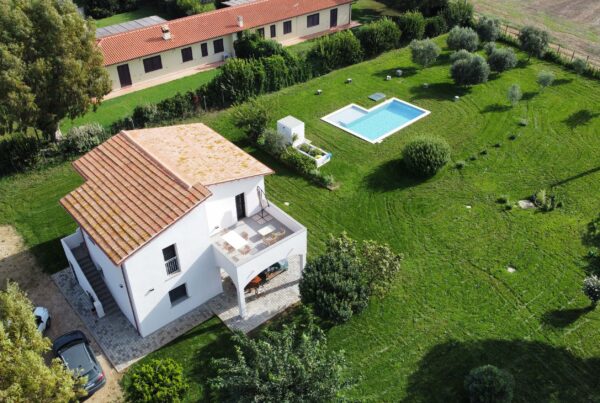
A tuscan farmhouse offers a completely different starting point from a hotel in town. You are not approaching local food as a visitor passing through. You are waking up inside the environment that produces it.
That proximity changes your attention. You notice olive trees differently. Vineyards no longer feel decorative. Local produce stops being an abstract idea and becomes part of the landscape around you. Even a simple breakfast outdoors can make you more aware of seasonality, quality, and rural rhythm.
This is where tuscany food and wine becomes more than a theme. It becomes a way of travelling. The countryside slows you down enough to appreciate meals properly. Lunch is no longer something to fit in. Dinner is no longer just a reservation. Food regains its place as part of time, not just consumption.
In quieter parts of Tuscany, and especially in less mass-tourism oriented areas such as Maremma, this can feel even more authentic. The connection between territory and table remains visible, tangible, and less filtered through performance.
Traditional Tuscan Dishes to Try
Every region of Tuscany has its own culinary nuances, but some elements return again and again: simplicity, depth of flavour, strong ingredients, and recipes that respect what the land provides.
When exploring tuscany food and wine, there are certain dishes worth seeking out not because they are famous, but because they reflect a way of eating that belongs naturally to the countryside. Rustic soups, grilled meats, handmade pasta, vegetables prepared with restraint rather than decoration, pecorino cheeses, and bread-based dishes all speak the same language. The emphasis is often on honesty rather than complexity.
What makes these dishes memorable in the countryside is not only their flavour, but the setting in which they are eaten. A meal under a pergola, a simple lunch after a vineyard visit, or dinner in a village that feels alive but not performative can reveal more about Tuscany than any tasting menu.
The most rewarding meals are often the ones that feel rooted rather than curated for visitors.
Wine Tasting Experiences Close to a Tuscan Farmhouse
That is one of the great advantages of staying in the countryside. You are already within reach of estates, vineyards, and smaller producers that allow wine to be experienced within its natural geography. The drive is part of the pleasure. The return to the farmhouse afterwards is part of it too.
Some travellers imagine wine tasting as a polished experience built around prestige. And that certainly exists. But many of the most memorable moments come from more intimate visits, where conversation is unhurried and the wine feels connected to everyday life rather than ceremony.
A tuscan wine tasting near a countryside stay can take many forms. It may be a formal guided tasting at a winery, a lunch paired with local bottles, or a simpler visit focused on the agricultural story behind the wines. In all cases, being based in a farmhouse changes the tone. You are not rushing back to a city. You are returning to another part of the same landscape.
That continuity matters. It makes the experience feel complete.
Farm-to-Table Experiences
The phrase “farm-to-table” is often overused, but in the Tuscan countryside it can still mean something real.
When food is grown, harvested, cooked, and served within the same territory, there is a depth to the experience that is hard to replicate elsewhere. This is one of the strongest reasons to explore tuscany food and wine from a farmhouse base. You are close enough to access produce in a more direct way, whether through local farms, trusted suppliers, or meals prepared in a setting that still feels agricultural rather than commercial.
In a tuscan farmhouse, this can become part of the stay itself. A dinner prepared with local ingredients, vegetables from nearby land, regional cheeses, and bottles chosen from surrounding vineyards often feels more meaningful than dining in a place built purely for turnover.
What people remember is not just quality, but coherence. The meal belongs to the place.
Local Markets and Artisan Food Near Tuscan Farmhouse Stays
Markets are one of the most immediate ways to understand a territory.
They show what is in season, what people actually buy, and what local food culture looks like when it is not being packaged for outsiders. For guests staying in a farmhouse, local markets are often far more interesting than souvenir shopping. They are places to gather bread, fruit, vegetables, cheeses, cured meats, olive oil, and small details that can shape an entire evening back at the house.
This is one of the pleasures of staying in a tuscan farmhouse rather than a hotel. You can bring the territory home with you each day and turn shopping into part of the experience.
Artisan food shops, village bakeries, and smaller producers also play an important role. They add intimacy and local texture to a trip. Instead of collecting attractions, you begin collecting rituals: a morning stop for bread, a favourite cheese counter, a bottle chosen to drink at sunset.
That is when tuscany food and wine starts to feel lived rather than consumed.
Book Your Tuscan Farmhouse Stay Now
Cooking Classes You Can Join During Your Tuscan Farmhouse Stay
Cooking classes can sometimes feel staged, but in the right context they become something much more personal.
When joined during a countryside stay, they allow guests to move from observation into participation. You are not only tasting Tuscany. You are learning how its ingredients behave, how its recipes are built, and why simplicity matters so much.
A well-conceived class can also deepen the meaning of the rest of the trip. Once you have cooked with local olive oil, seasonal vegetables, or handmade pasta, subsequent meals are no longer passive experiences. You notice more. You understand more. The region becomes more legible.
This is another reason why a farmhouse base works so well. The atmosphere of a class, especially when private or semi-private, feels naturally aligned with the slower rhythm of the countryside. It does not feel like a detached activity. It feels like an extension of the stay.
A good tuscan wine tasting can reveal territory through the glass. A good cooking class can reveal it through the hands.
Planning Your Food Journey
The best food-focused trips are rarely the ones with the most reservations. They are the ones with enough structure to guide the experience, but enough openness to let it breathe.
When planning around tuscany food and wine, it helps to think in layers. One or two winery visits. A couple of meaningful meals out. A market morning. Perhaps a cooking class. Then space around those moments, so the trip does not become overplanned.
That balance is especially important in the countryside. The pleasure of a farmhouse stay comes partly from what happens in between organised experiences. A late lunch that turns into a quiet afternoon. A bottle opened on the terrace without ceremony. Ingredients bought at a market and cooked simply that evening.
Those in-between moments often become the most memorable part of the journey.
Final Thoughts
Experiencing tuscany food and wine near a countryside stay is not just about finding good places to eat or drink. It is about entering a landscape where food, wine, and daily life still belong to one another.
A farmhouse base makes that possible in a deeper way. It brings you closer to vineyards, local markets, cooking traditions, and the slower tempo that gives all of them meaning. And in quieter parts of Tuscany, where authenticity still feels stronger than performance, that connection becomes even more rewarding.
The best food and wine journeys are not only tasted. They are lived, one meal, one bottle, and one unhurried day at a time. To fully experience this, it’s best to book Tuscan farmhouse stay online and plan your visit in advance.